Web cookies (also called HTTP cookies, browser cookies, or simply cookies) are small pieces of data that websites store on your device (computer, phone, etc.) through your web browser. They are used to remember information about you and your interactions with the site.
Session Management:
Keeping you logged in
Remembering items in a shopping cart
Saving language or theme preferences
Personalization:
Tailoring content or ads based on your previous activity
Tracking & Analytics:
Monitoring browsing behavior for analytics or marketing purposes
Session Cookies:
Temporary; deleted when you close your browser
Used for things like keeping you logged in during a single session
Persistent Cookies:
Stored on your device until they expire or are manually deleted
Used for remembering login credentials, settings, etc.
First-Party Cookies:
Set by the website you're visiting directly
Third-Party Cookies:
Set by other domains (usually advertisers) embedded in the website
Commonly used for tracking across multiple sites
Authentication cookies are a special type of web cookie used to identify and verify a user after they log in to a website or web application.
Once you log in to a site, the server creates an authentication cookie and sends it to your browser. This cookie:
Proves to the website that you're logged in
Prevents you from having to log in again on every page you visit
Can persist across sessions if you select "Remember me"
Typically, it contains:
A unique session ID (not your actual password)
Optional metadata (e.g., expiration time, security flags)
Analytics cookies are cookies used to collect data about how visitors interact with a website. Their primary purpose is to help website owners understand and improve user experience by analyzing things like:
How users navigate the site
Which pages are most/least visited
How long users stay on each page
What device, browser, or location the user is from
Some examples of data analytics cookies may collect:
Page views and time spent on pages
Click paths (how users move from page to page)
Bounce rate (users who leave without interacting)
User demographics (location, language, device)
Referring websites (how users arrived at the site)
Here’s how you can disable cookies in common browsers:
Open Chrome and click the three vertical dots in the top-right corner.
Go to Settings > Privacy and security > Cookies and other site data.
Choose your preferred option:
Block all cookies (not recommended, can break most websites).
Block third-party cookies (can block ads and tracking cookies).
Open Firefox and click the three horizontal lines in the top-right corner.
Go to Settings > Privacy & Security.
Under the Enhanced Tracking Protection section, choose Strict to block most cookies or Custom to manually choose which cookies to block.
Open Safari and click Safari in the top-left corner of the screen.
Go to Preferences > Privacy.
Check Block all cookies to stop all cookies, or select options to block third-party cookies.
Open Edge and click the three horizontal dots in the top-right corner.
Go to Settings > Privacy, search, and services > Cookies and site permissions.
Select your cookie settings from there, including blocking all cookies or blocking third-party cookies.
For Safari on iOS: Go to Settings > Safari > Privacy & Security > Block All Cookies.
For Chrome on Android: Open the app, tap the three dots, go to Settings > Privacy and security > Cookies.
Disabling cookies can make your online experience more difficult. Some websites may not load properly, or you may be logged out frequently. Also, certain features may not work as expected.
Our goal for programming at the CSMNH is to enhance people's understanding of both natural and cultural history. We strive to develop engaging learning opportunities that showcase research, scholarship, and creativity for audiences of all ages, at the university and across the broader public.
The Museum's programs and events include field-learning activities, workshops, lectures, community outreach, and special events.
Field Learning Activities: Participants make field observations, test ideas, and use tools they may otherwise not have access to. Past field-learning activities include shoe-box archaeology digs, animal tracking tours, and bird walks.
Upcoming field-learning activities:
Workshops: Museum workshops led by local experts offer hands-on learning activities to small groups of participants. Past workshops have focused on scientific illustration techniques and basic field archaeology methods and best practices.
Upcoming workshops:
Birds Up Close: Scientific Illustration Workshop with Virge Kask
Lectures: Experts from diverse backgrounds, many recognized as leaders in their fields, share their knowledge with the public. Speakers explore contemporary issues and reveal ancient mysteries on varied topics. Recent past lectures have focused on taking local action to address climate change, the pre-agricultural origins of the UConn campus, and the story of Darwin’s fascination with orchids. In addition, the CSMNH co-sponsors the Edwin Way Teale Lecture Series, which brings leading scholars from around the world to UConn to present public lectures on nature and the environment six times each year.
Upcoming lectures:
Periodic Table: The Elements Explained with Dr. Christian Brückner
A link to this season's Teale poster and information for lectures in Spring 2026 are listed below.
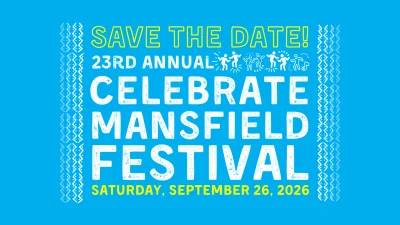
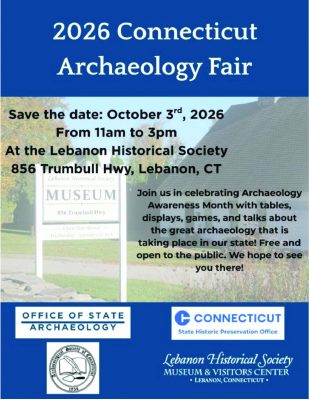
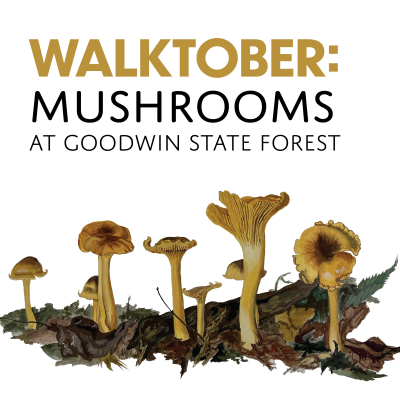
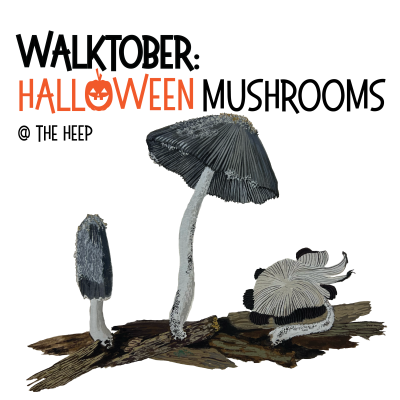
Community outreach events: These events involve the broader Connecticut community and help create awareness of and foster involvement in the CSMNH, emphasizing unique educational opportunities for the public at-large. Past community outreach events where the CSMNH has participated include the Connecticut Archaeology Fair, Willimantic's 3rd Thursday, Celebrate Mansfield Festival, UConn Extension’s Bug Week, and The Last Green Valley's Walktober.
Upcoming community outreach and special events:
Spring Break Family Fun: Caterpillars of Connecticut at the Mansfield Public Library
Save the date for our annual Museum Day this July - Big Birds!
If you require an accommodation to attend any of our events, please contact the CSMNH at 860-486-4460 or CSMNHInfo@uconn.edu at least 5 days before the event.

Caterpillars of Connecticut with the CSMNH
Ever wonder where those beautiful butterflies and moths in your garden come from? Learn how caterpillars create a chrysalis or cocoon, depending on whether they will become a butterfly or a moth. After observing real preserved specimens of caterpillars, moths, and butterflies, craft your own fluffy caterpillar to take home.
If you require any accommodations to participate in this event, please contact the CSMNH at 860-486-4460 or CSMNHinfo@uconn.edu.
The event is free and open to the public!

The Connecticut State Museum of Natural History is excited to host our popular walking tour of the UConn Arboretum again this spring! Led by a knowledgeable team of experts from the UConn Arboretum Committee, this tour of some of the most interesting and diverse trees on campus promises to be both informative and engaging. Based on the concept of "the campus as arboretum," the UConn Arboretum Committee helps to protect, promote, catalogue, and manage the trees and shrubs across campus.
The walk is primarily on sidewalks, with some hills and grassy areas. Participants aged 16 and under must be accompanied by an adult. Held rain or shine! In case of severe weather, walk will be cancelled and rescheduled to a later date.
Details regarding meet up location and parking will be sent the week before the event.
The event is free and open to the public! Registration is required and donations are appreciated, as they help us keep our public programs free!
If you require an accommodation to participate in this event, please contact the Museum at 860-486-4460 or CSMNHinfo@uconn.edu
Scientific Illustration: Birds with Virge KaskJoin this hands-on, beginner-friendly session where you'll learn to observe bird anatomy, capture gesture and posture, and render feathers and beaks using pencil and tracing paper. Ms. Kask will teach the best techniques for conveying the essence of these captivating creatures and provide tips for drawing from mounts and live subjects.
The event is open to the public but registration is required!
$15 Museum Member/ $20 Non-Member, includes all supplies.
If you require an accommodation to participate in this event, please contact the Museum at 860-486-4460 or CSMNHinfo@uconn.edu